

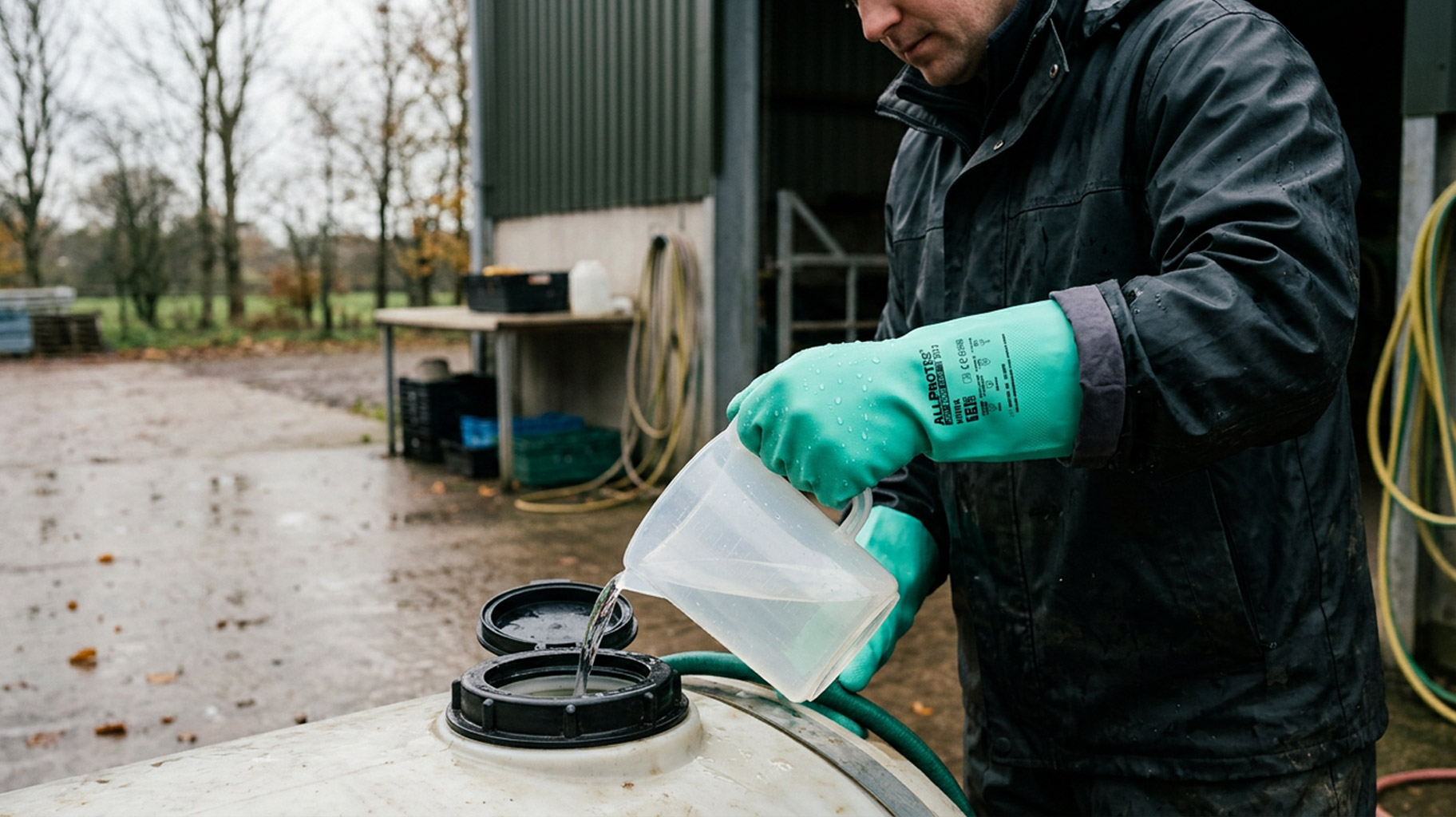

Occupational allergies can affect anyone and are a serious threatening threat to the health and well-being of workers. If not properly detected and treated, they can lead to chronic diseases or even life-threatening situations. It is therefore important to know about occupational allergies in order to avoid and treat them.
What are occupational allergies?
As a sufferer of an occupational allergy, the respiratory tract and skin are often affected. In many cases, allergies due to asthma manifest themselves, such as baker's asthma or wood dust allergy of carpenters. Other occupational allergies can lead to contact allergies on skin areas that come into contact with occupational substances. Hairdressers, building cleaners and other professions that come into contact with chemical products are particularly affected by occupational allergies.
Our tip: Disposable gloves and respirators prevent irritation and can thus reduce allergies.
How are occupational allergies avoided?
In order to avoid occupational allergies, it is important to minimise contact with occupational substances. If this is not possible, adequate personal protective equipment should be worn. Good hand hygiene – regular hand washing, especially after contact with hazardous substances – also helps to reduce the risk of occupational allergies. Employers also have a responsibility to ensure that their employees wear the appropriate protective clothing and equipment and are adequately protected from the hazards in the workplace.
Our tip: Allprotec® Nitirl protective gloves and coveralls protect against volatile substances and chemical substances and thus also reduce contact allergies.
What should you do if occupational allergies occur?
When occupational allergies occur, it is important to act quickly. Early diagnosis is important to enable appropriate treatment. If those affected suspect that they suffer from an occupational allergy, they should immediately undergo a medical examination and inform their employer of the suspicion. A detailed medical history, an allergy test and a skin- and respiratory-friendly therapy can lead to successful treatment.
The importance of occupational allergies?
Overall, it is important to sensitize all those involved to the importance of occupational allergies. Employers should be able to provide their employees with sufficient information on the subject and offer ways to avoid occupational allergies. Workers must also be on their guard and seek timely treatment to protect their health. An allergy should not be underestimated and it is worth knowing well about it in order to avoid and treat it.