
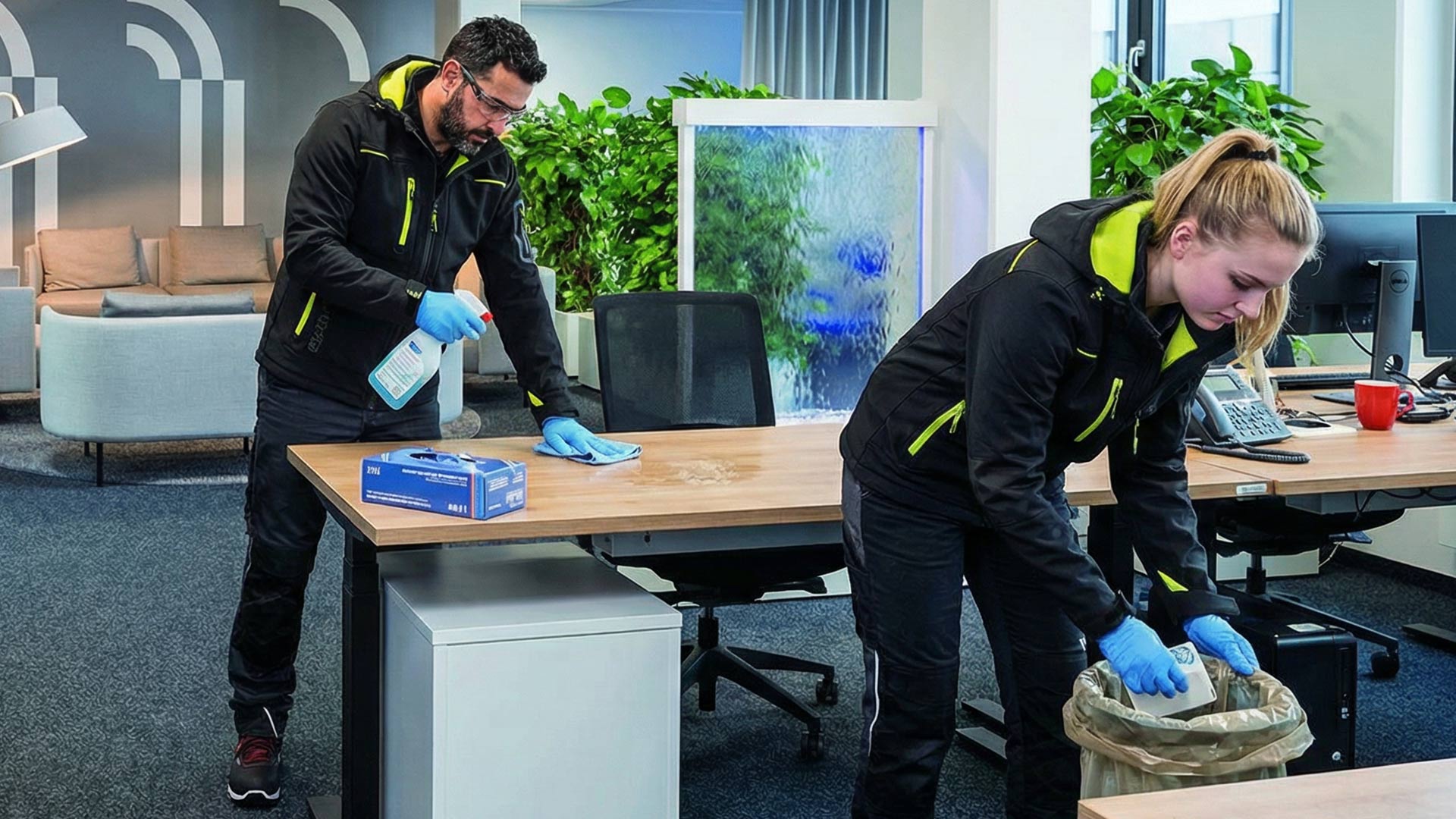

Disposable gloves can be made from a variety of materials. The most commonly used raw materials for manufacturing are natural rubber latex – commonly referred to as latex, nitrile butadiene rubber (nitrile), and polyvinyl chloride (commonly referred to as vinyl or PVC gloves). Synthetic polyisoprene is used to manufacture certain products.
Each glove material has different chemical properties and is therefore only suitable for its intended purpose.
A brief material knowledge of disposable gloves: natural latex, nitrile, polyethylene, vinyl or polyisoprene?
What are the advantages and disadvantages of the glove materials?
LATEX – The classic
Latex is the oldest and most classic material for disposable gloves. It is made from a natural product (natural rubber). Latex gloves impress with their elasticity and wearing comfort. They are used both in the medical field and in the industrial sector. Their chemical resistance to many acids, bases and alcohols is a great advantage. Latex disposable gloves are not compatible with oils and fats, which is especially important when working with food.
A major disadvantage of disposable gloves made of natural latex is their potential Allergies . This is due to the latex proteins it contains. This allergenic potential is amplified many times over by powder. Cornstarch has been used for powdered gloves for some time. The share of powdered gloves in the market is declining sharply, with the exception of a few countries. Manufacturers try to prevent the transfer of latex proteins to the skin by coating the inside of the glove with a non-allergenic material. An example of such an improved glove is the disposable glove Semperguard Latex IC (inner-coated).
NITRILE – The Future
Nitrile rubber (made up of acrylonitrile and butadiene) as a material for disposable gloves is a high-quality material with rapidly increasing market importance. Although the material is less elastic than latex (and therefore less comfortable), its chemical resistance is higher than that of latex and with very good mechanical properties. It does not contain latex proteins, so there is no risk of latex allergy. However, some users of gloves have recently experienced another form of allergy, namely sensitization through vulcanization accelerators (e.g. thiurams). This is not a problem of nitrile alone, but also applies to latex. Vulcanization accelerators are used to increase the technical polymerization process to the industrially necessary level.
Although vulcanization accelerators are only used in small quantities as an auxiliary material in the polymerization process, even a small amount in the microgram range is often enough to trigger an allergy. Gloves are therefore washed after manufacturing to remove the vulcanization accelerators as much as possible. There are also already further developments free of vulcanization accelerators. A prominent example of this (also with an excellent environmental balance) is the "Sempercare green" glove.
VINYL – THE COST-EFFECTIVE ONE
Vinyl stands out because of its price advantage. The mechanical properties and comfort are below average, as is the chemical resistance. Vinyl is PVC and is processed together with suitable plasticizers. The plasticizers are usually phthalates and must be REACH-compliant. Although the phthalates used are REACH compliant, there are restrictions. Vinyl gloves cannot be used with grease or fatty foods. However, they do have skin-friendliness benefits for users who suffer from a latex or chemical allergy.
What else is there?
POLYETHENE (PE) – THE VERSATILE ONE
HDPE (High Density Polyethylene) is usually used. It is an inelastic, crystal-clear material. Polyethene is largely resistant to acids, alkalis, oils and fats. Therefore, these disposable gloves can also be used in the food industry with the appropriate approval. The wearing comfort is extremely limited. Such gloves are usually used as product protection, e.g. to prevent the transmission of germs to food.
POLYISOPRENE – THE SENSITIVE ONE
Polyisoprene is a synthetic rubber. A latex allergy is excluded with polyisoprene. Gloves made of this elastic material are mainly used in the medical field as surgical gloves. They have a special supple fit and sensitivity. One example of this is the Syntegra from Sempermed.
What should be considered when choosing gloves?
THE CHOICE OF A DISPOSABLE GLOVE DEPENDS ON THE AREA OF APPLICATION
When choosing the right disposable glove, professional advice is indispensable. Factors such as the area of application, the chemical resistance of the glove material, the tear resistance of the glove and potential incompatibilities of the wearer must be taken into account.
AAV GmbH is available for detailed and detailed advice, contact persons with years of experience will be happy to provide information.