

When the temperatures rise in summer, it's time again for the annoying, stinging wasps. On a construction site, they can not only disrupt work, but also pose serious dangers to employees. Therefore, it is important to pay special attention to protection from wasps when working outdoors.
Why is wasp protection occupational safety?
In the construction industry, it is paramount that employers and employees alike deal with the dangers that come with wasps and hornets. But protection on the construction site goes far beyond wearing personal protective equipment, because other risks such as sun and heat should also be taken into account. In this post, we will take an in-depth look at the risk of wasps and hornets and show ways in which companies can effectively minimize this danger. In addition, we will also address the importance of prevention and appropriate training for workers. So, let's dive into the fascinating world of wasp protection together and find out why it is of great importance for occupational safety.
1. Attach respect
Wasps can become aggressive when they feel threatened. That's why it's important to treat them with respect and not to provoke them unnecessarily. Avoid screaming loudly or gesturing wildly around wasps, as this can only increase their aggression. If a wasp still stings, you should act quickly: carefully remove the sting with tweezers and cool the affected area with a cold poultice or ice cubes. In the case of severe allergic reactions such as shortness of breath or circulatory problems, medical help should be sought immediately. Overall, sensible precautions and the correct behaviour when dealing with wasps can help to avoid unpleasant encounters and get through the summer safely.
2. Cleanliness on the construction site
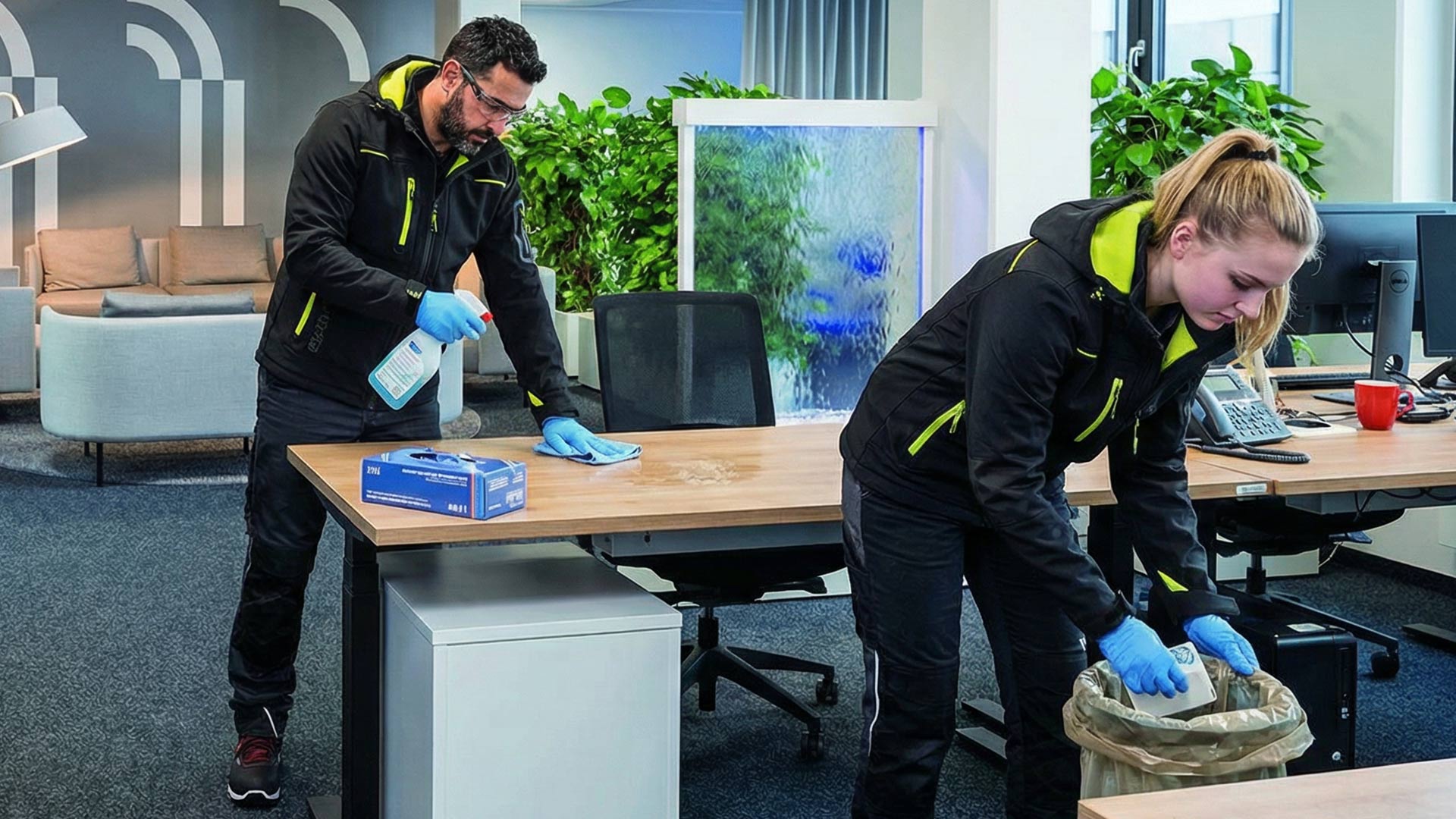
Wasps love sweet foods and drinks. It is important that there are no open containers of lemonade or other drinks standing around on a construction site. It is also best to store food in sealable containers. The construction site should be cleaned regularly to prevent wasps from looking for food.
3. Places of rest
Small breaks from work are important, but are often disturbed by wasps. It is advisable to install a spot with a mosquito net outdoors to keep wasps away from resting places. But wearing long clothes and a hat can also help to ward off wasps.
4. Scooping or pouring water
Wasps are hungry and thirsty and are looking for food for their offspring. That's why they take every opportunity to fly into open containers with water or other liquids. This can lead to accidentally drinking a glass of water in which a wasp has drowned. Therefore, you should always be careful and look carefully into the container before drinking.
5. Water mist as protection
There are special water mist makers on the market that repel wasps. This allows you to protect yourself and your employees on the construction site. The advantage of fine water mist is that it keeps away not only wasps, but also other insects. The insects listen to their instinct "Watch out for rain" and fly back to the nest. This way you can protect yourself from the wasps without endangering the animals.
Relocate wasps and hornets instead of killing.
Although wasps and hornets cause fear in many people, they are usually not dangerous to humans. In fact, the prickly insects have high ecological benefits and help maintain ecological balance. A sting is painful, but there is no danger to life as long as several hundred stings are not made. However, people who are allergic to insect venom should be particularly careful and consult an emergency doctor if necessary. Respect for wasps and hornets is therefore appropriate - because they help to keep our environment healthy.
That's why wasp protection is also occupational safety