
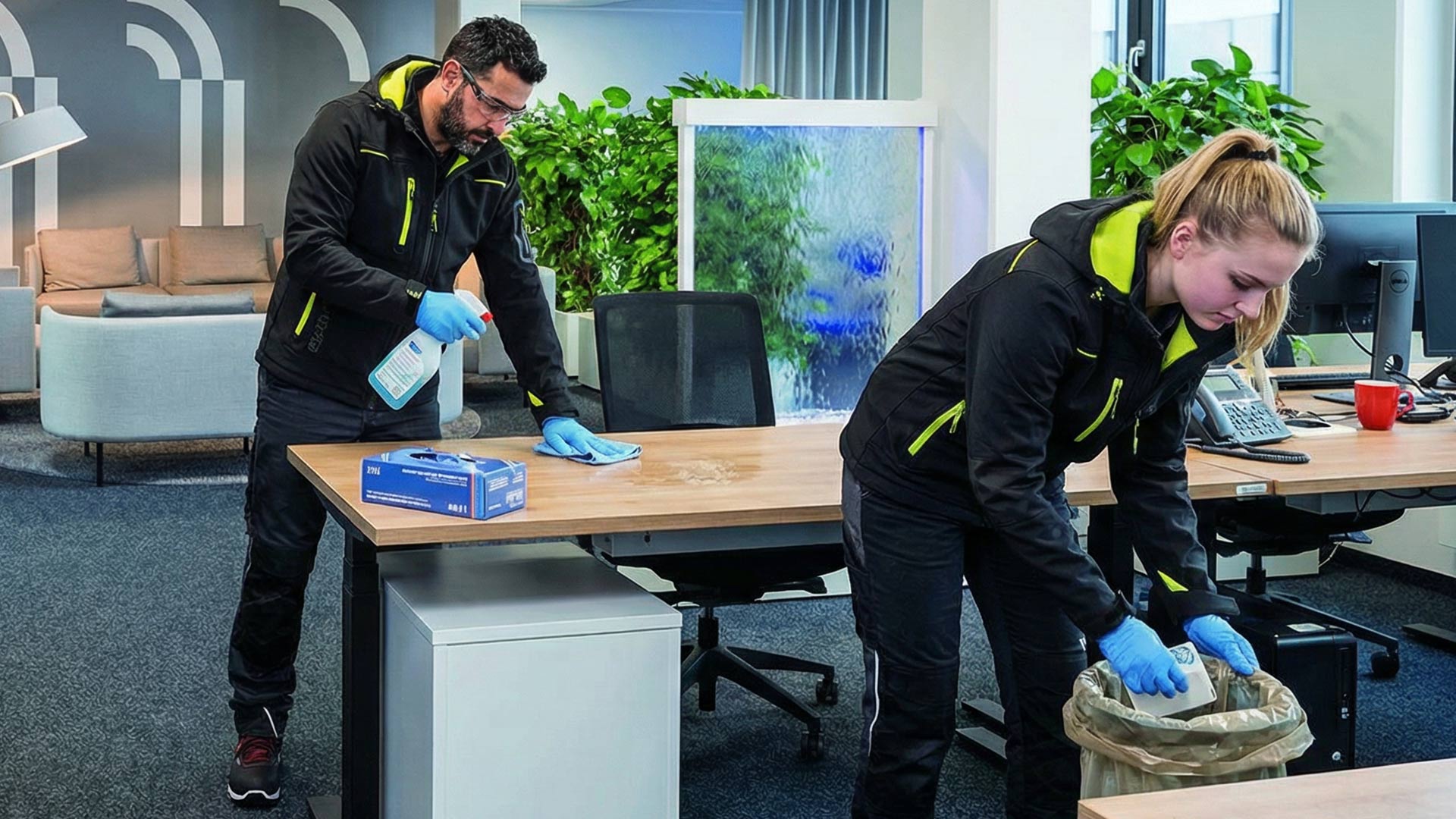

The use of disposable gloves at fresh food counters and food banks has risen sharply in recent years. This was accompanied by an increase in occupational skin diseases. This is a fatal consequence of excessive hygiene: With the help of gloves, working does not become more hygienic, but rather conveys a false sense of security and thus damages the skin.
Disposable gloves vs. washed hands
The Institute for Occupational Safety and Health (IFA), in cooperation with the BGHW, has shown that the bacteria accumulate mainly on surfaces and cutting boards on which food is handled. In studies between people with and without gloves, no significant difference in the accumulation of bacteria was found – even according to food law regulations.
Conclusion: Don't panic, as long as you can wash your hands regularly!
Most people don't know that regular hand washing or disinfecting is more hygienic than disposable gloves. This is because wearing gloves gives employees a deceptive sense of security: Medical staff, for example, wear disposable gloves to protect themselves from contact with body fluids. In this way, we automatically connect disposable gloves to the sterile conditions in hospitals. It is much more important to take a close look at the workplace and then use the risk assessment to determine whether disposable gloves must be worn or not.
It is more hygienic to wash properly
Wearing disposable gloves, washing hands, disinfecting hands and contact with aqueous liquids - all this damages the skin. Under the liquid-tight material of the disposable gloves, the hands begin to sweat quickly and moisture cannot evaporate.
The result: SWELLING OF THE SKIN AND LOSS OF NATURAL PROTECTION!
The surface of the skin becomes more permeable to contamination and allergens, more susceptible to irritants with the well-known consequences of itching and hand eczema. People with sensitive skin are particularly at risk.
Attention for sensitive skin
Disposable gloves should only be worn if absolutely necessary. Otherwise, skin-friendly and hygienically impeccable action is sufficient. A pH skin-neutral washing lotion is sufficient to avoid germ transmission without excessive skin irritation. Despite a lot of work, apply greasy or moisturizing care products carefully and take regular breaks from wearing them - so that you can master the challenge well equipped and with clean hands.
However, disposable gloves are advantageous for some work with food. In these tasks, these gloves are useful and protect the skin or product. This can be the case when handling perishable or acidic foods. But also if strongly colouring foods are processed and these can lead to contamination.
The skin protection experts at the BGHW give clear instructions on how to protect your own health:
- wear disposable gloves for a very short time and no longer than necessary, as far as possible;
- ensure that clean gloves are always put on over dry skin;
- Cotton undergloves are helpful for more comfort - as they absorb moisture;
- Do not wear gloves multiple times;
- do not use or pass on damaged or worn gloves!