
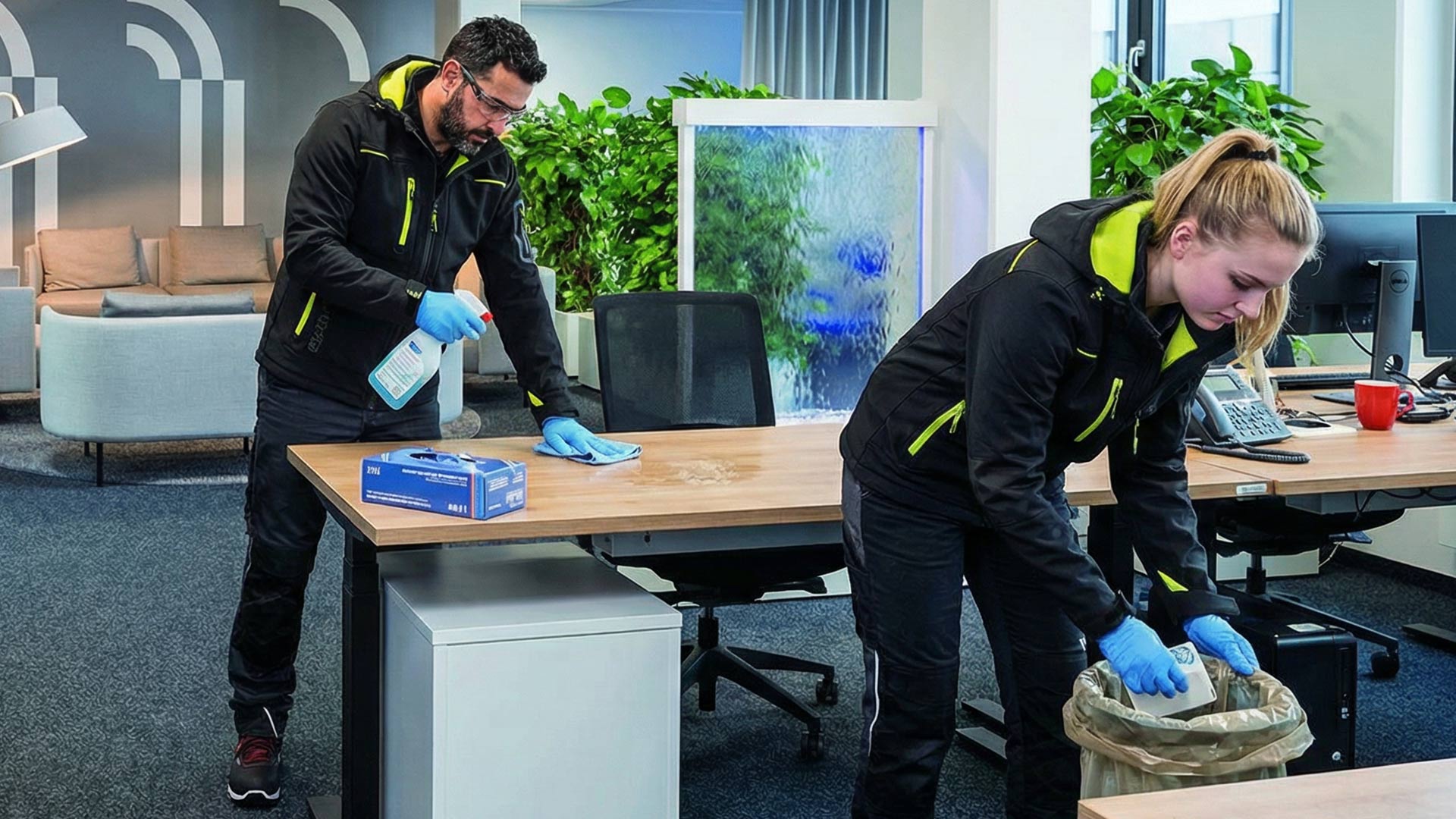

2025 will be a year of upheaval in the workwear and protective clothing industry. New demands and challenges are driving the development of workwear. Four major megatrends are emerging: security, new working environments, sustainability and globalization. These trends are not exact forecasts, but scenarios that provide strategic direction. The occupational safety industry is on the verge of change – now is the time to actively shape the path into a new era.
1. Safety on a new level – and the added convenience
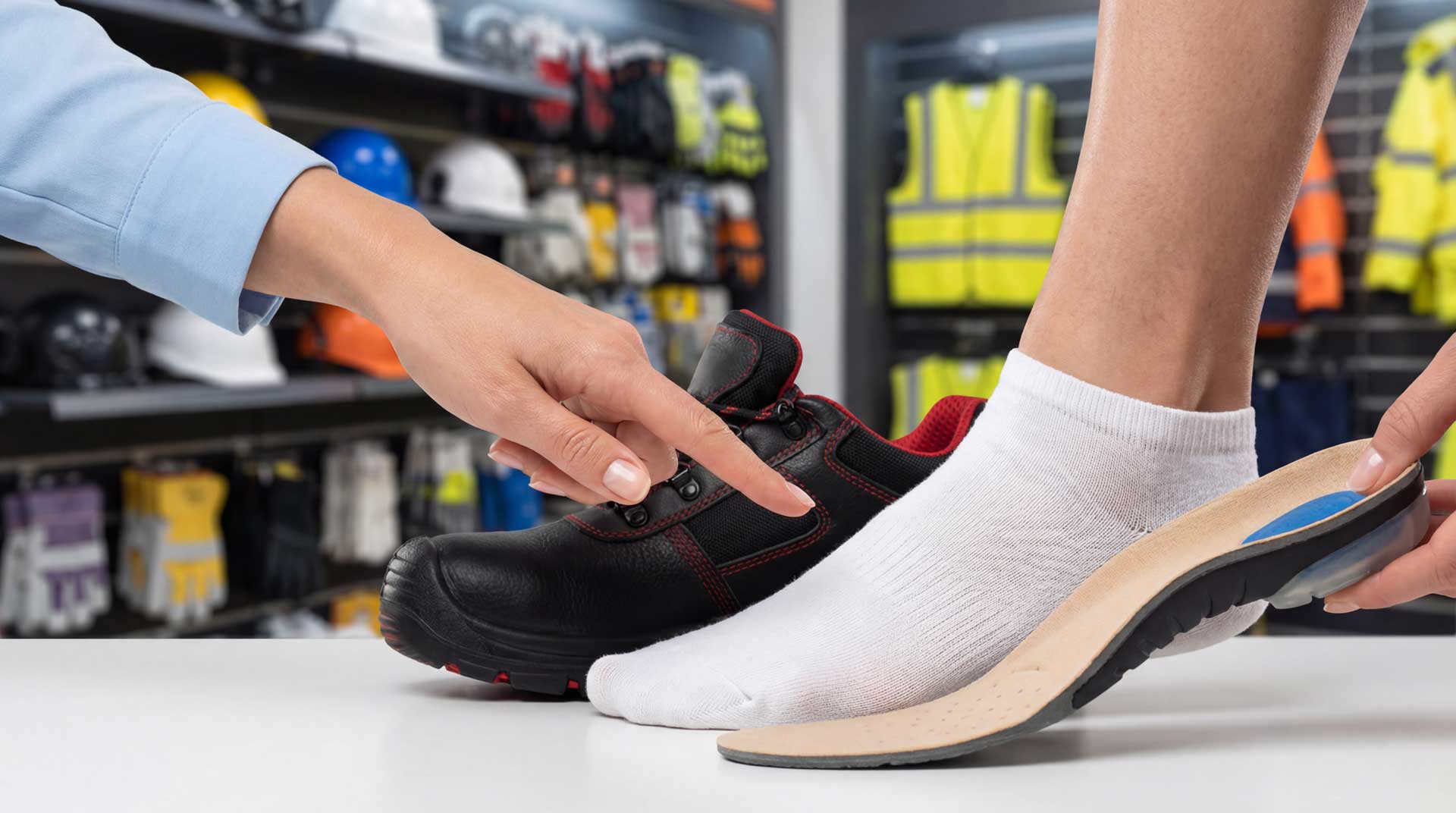
Safety remains the cornerstone of occupational safety, but now comfort is increasingly coming into play. More than ever, companies are attaching importance to protection standards that meet the increasing demands of modern working environments. The additional focus on wearing comfort increases the acceptance of protective clothing significantly. The goal: to combine protection and well-being in such a way that employees are optimally protected and at the same time feel comfortable.
"Our future analysis does not provide rigid forecasts, but inspiring food for thought to rethink and shape the strategic direction in the workwear sector." – Sonia Niedhart, Managing Director Allprotec®
2. Sustainability as Neo-Ecology – Responsibility for the Environment
Sustainability, often referred to as neo-ecology, is providing important impetus in the industry. Suppliers and manufacturers are working to reduce their environmental footprint, whether through resource-saving materials, service life optimization, reduction of packaging material or energy-efficient production methods. Companies in the workwear industry know that a sustainable orientation not only means innovation, but also responsibility towards future generations.
3. Globalization and increasing demand for protective clothing
The effects of the Covid-19 pandemic are still being felt in many industries, and the demand for protective clothing continues to rise. Especially in new markets, the demand for functional and reliable clothing for a wide variety of applications is growing. This demand is further reinforced by stricter regulations and advancing globalization, which means that the requirements for protective clothing are harmonized across national borders. Future-proof, global occupational safety requires materials and designs that can be used universally.
4. New working environments through automation and outsourcing
Automation not only brings efficiency, but also changes the world of work – and thus the need for protective clothing. New technologies are creating new work profiles and thus also new demands on workwear. Above all, high-quality protective clothing that meets multifunctional requirements will be increasingly in demand. As more and more companies outsource activities, the need for protective clothing that covers various standards and can therefore be used flexibly is increasing.
Conclusion: Trends that pave the way to the future
2025 will have a lasting impact on the workwear and protective clothing industry. Safety, sustainability, globalization and new working environments are shaping a modern working world in which comfort, ecological awareness and efficiency go hand in hand. Knowledge of these developments provides companies with a solid basis for strategic decisions. It's time to rethink workwear and lead the industry into a safe, sustainable and global future – all in the spirit of comfort, protection and responsibility.