
Ebola ist leider wieder ein Thema in den Medien. Die Weltgesundheitsorganisation WHO hat ein Merkblatt zur Infektion, Prävention und Eindämmung von Ebola herausgegeben. Personen, welche an der Bekämpfung des Ebola-Virus und der Behandlung von Patienten beteiligt sind, wird das Tragen von persönlicher Schutzausrüstung empfohlen. Siehe: WHO Infection prevention and control (IPC) Guidance Summary
Leistungskriterien zum Schutz gegen das Ebola-Virus
Derzeit gibt es jedoch keine nationalen oder internationalen Bestimmungen, die spezifische Leistungskriterien für Schutzkleidung zum Einsatz in Verbindung mit dem Ebola-Virus festlegen. Im Leitfaden wird jedoch das Tragen folgender Schutzausrüstungen empfohlen:
- Flüssigkeitsresistenter Atemschutz
- Schutzkleidung
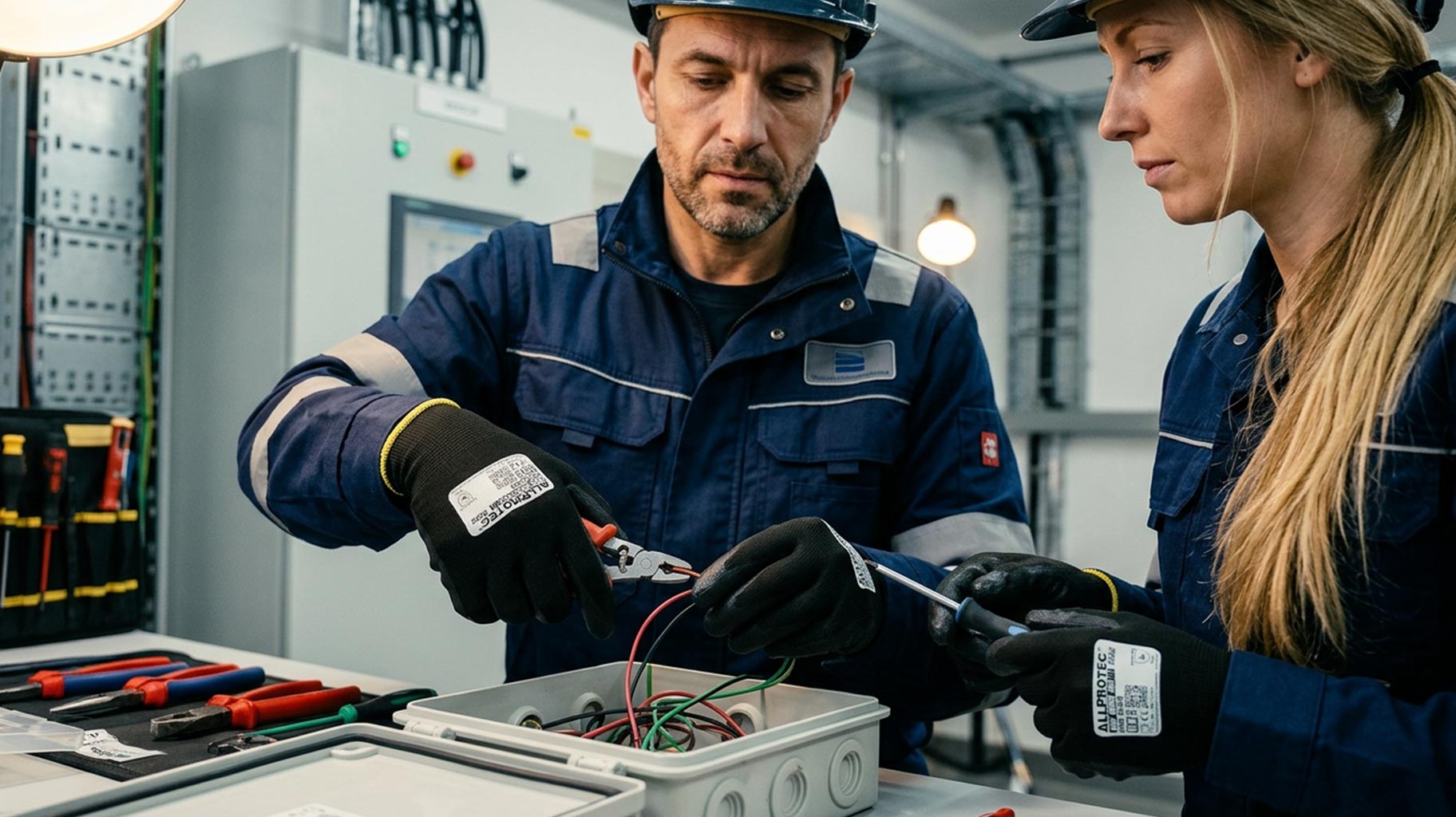
- Flüssigkeitsdichte Schutzhandschuhe
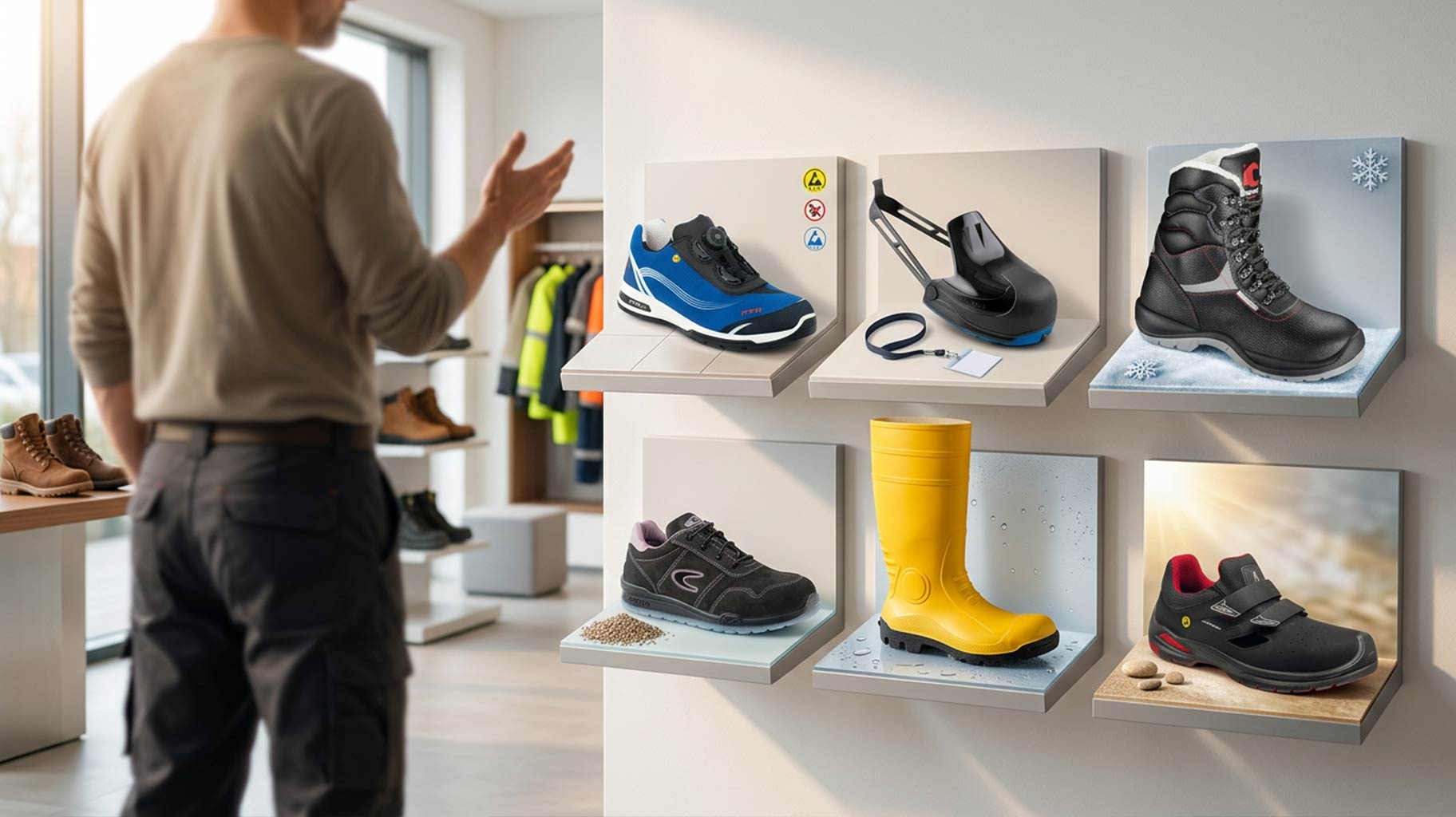
- Flüssigkeitsdichte Schuhe bzw. Stiefel
- Augen- und Gesichtsschutz
Schutzausrüstung zum Schutz gegen das Ebola-Virus
Bei der Auswahl von Schutzausrüstungen in Ebola-gefährdeter Umgebung müssen in jedem Falle die standortspezifischen Bedingungen berücksichtigt werden, z. B.
- Gibt es potentiellen Kontakt mit infektiösen Flüssigkeiten?
- Gibt es Kontakt mit Trägern der Infektion?
- Wie sind die Arbeits- und Umweltbedingungen?
- Welche Tätigkeit wird ausgeübt?
- Sind Dekontaminationseinrichtungen vorhanden?
Sachgerechter Gebrauch der Schutzausrüstung
Sachgemäße Verwendung von persönlichen Schutzausrüstungen kann verhindern, dass infektiöses Material in Kontakt mit Mund, Nase, Augen Schleimhäuten und Hautverletzungen kommt. Da nach bisheriger Erfahrung das Virus durch direkten Kontakt übertragen wird (und nicht über die Luft, ähnlich wie bei Grippe), muss die Schutzausrüstung jeden direkten Kontakt mit Körperflüssigkeiten der zu schützenden Person sicher verhindern. Das bedeutet z. B., dass die Augenpartie durch eine flüssigkeitsdicht abschließende Schutzbrille ohne Belüftung erfolgen muss, was einen der wichtigsten (manchmal unterschätzten) Übertragungswege, nämlich über die Augen, blockiert. Weiterhin ist beispielsweise das korrekte An- und Ablegen der Schutzausrüstung, insbesondere des Schutzanzugs zum Schutz vor einer Kontamination von entscheidender, lebenswichtiger Bedeutung.
Die Anleitungen des Herstellers müssen genauestens beachtet werden.